How to Fill Gaps in Skirting and Trim
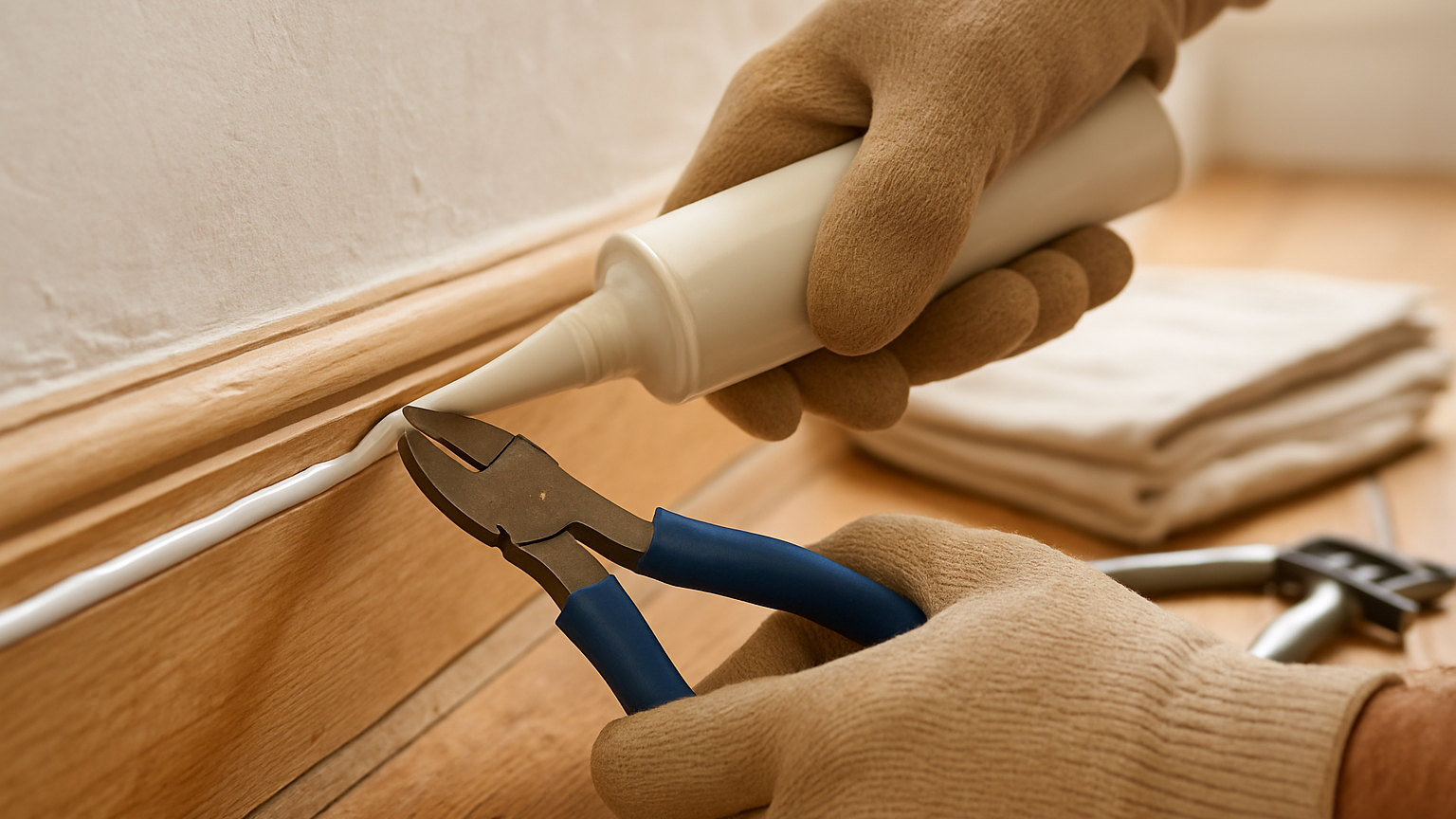
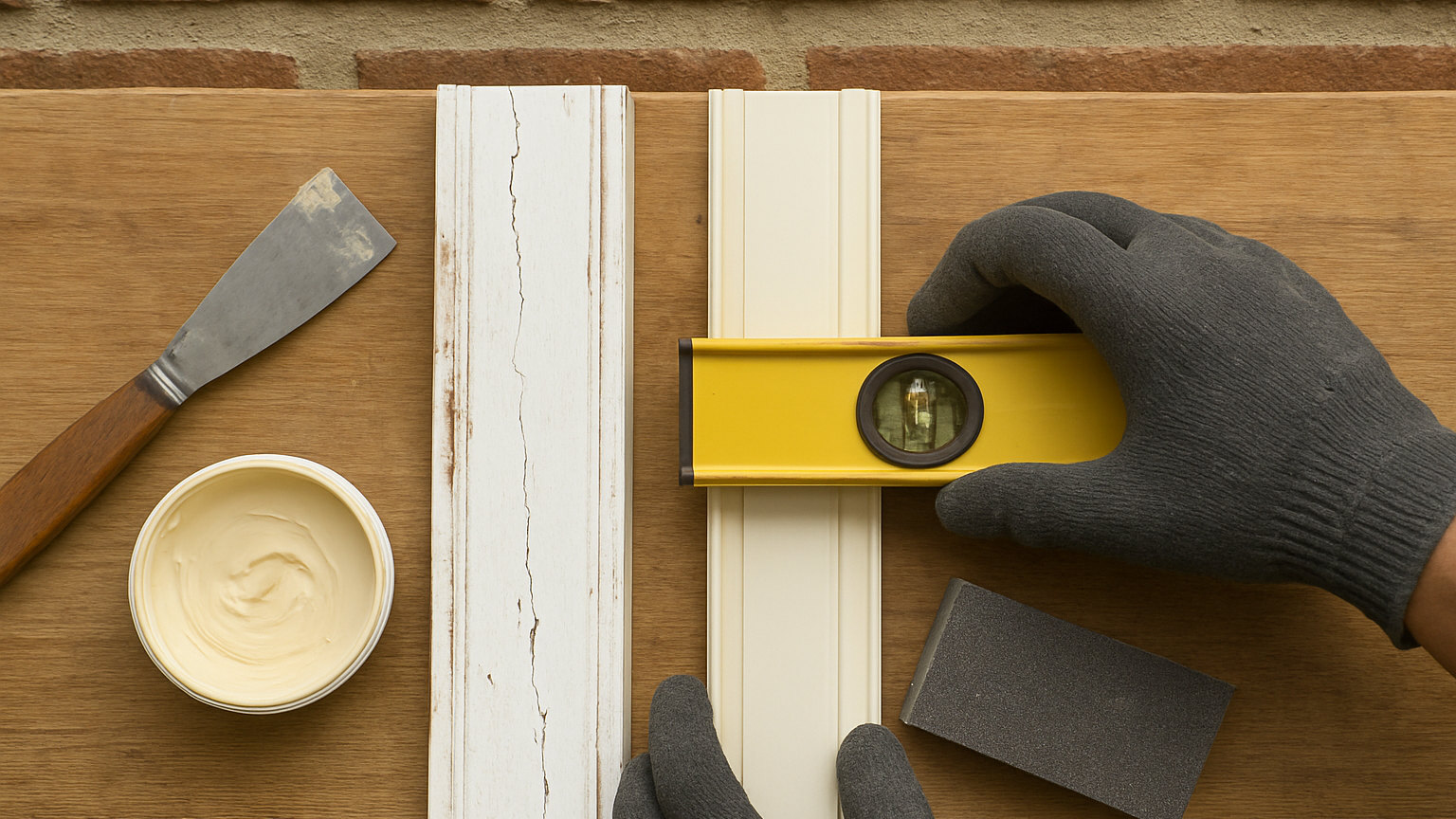
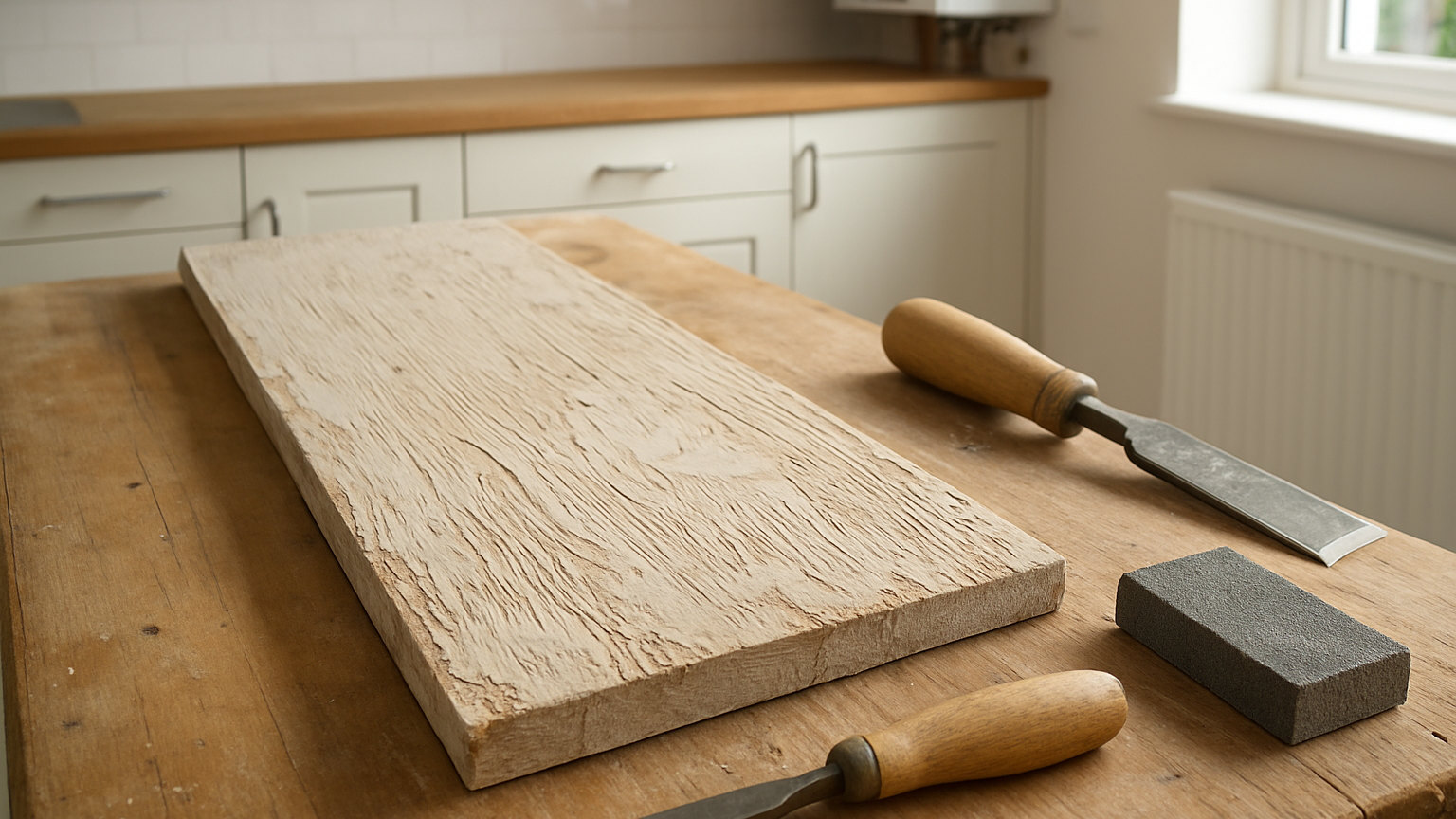
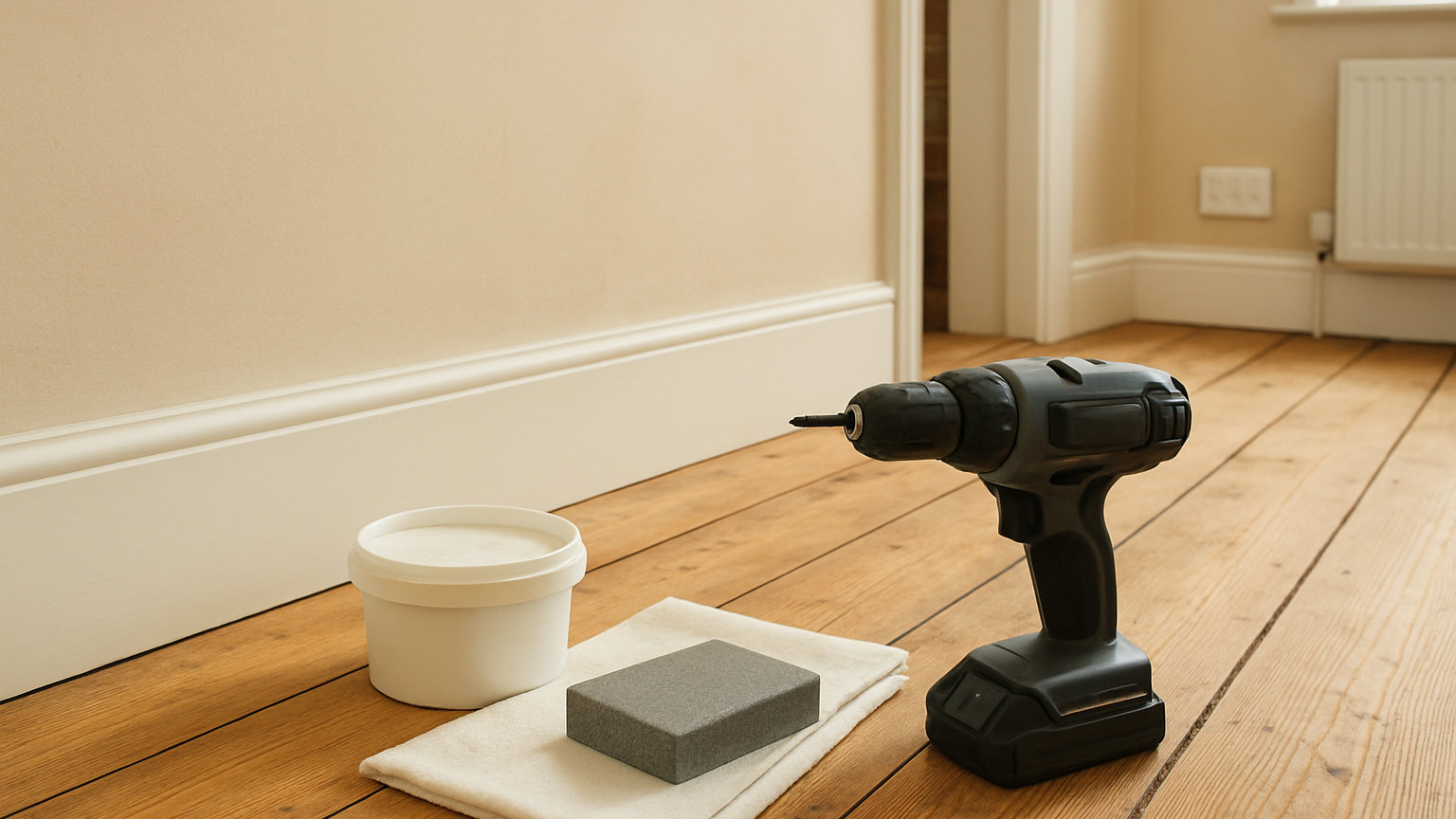
Open mitres, gaps behind skirting and split architrave all have their own fix. Which filler for which gap, and getting a joint that stays closed.
By DIY Guides Editorial
16 Jan 2026

Decorating is nine parts preparation and one part paint, and almost every disappointing finish traces back to the part that was skipped. These guides go through filling, sanding, caulking and priming before they get to the fun bit, explain which finish belongs on which surface, and cover the jobs - cutting in, hanging paper on a papered wall, tiling a wall that is not square - where technique genuinely matters.
Open mitres, gaps behind skirting and split architrave all have their own fix. Which filler for which gap, and getting a joint that stays closed.
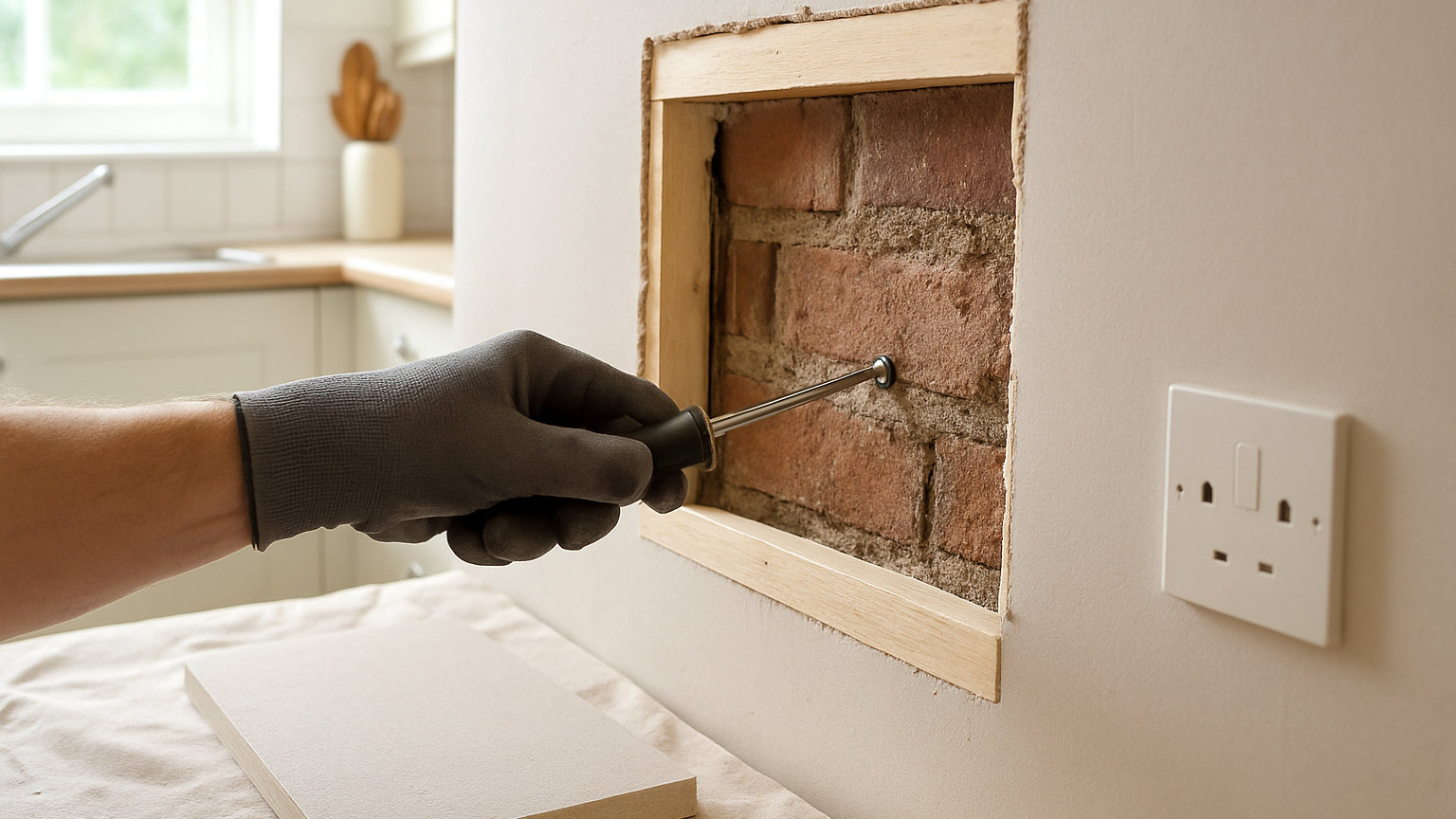
Small dents fill; anything bigger needs backing. Three repair methods by hole size, from a doorknob dent to a hole you can put a fist through.
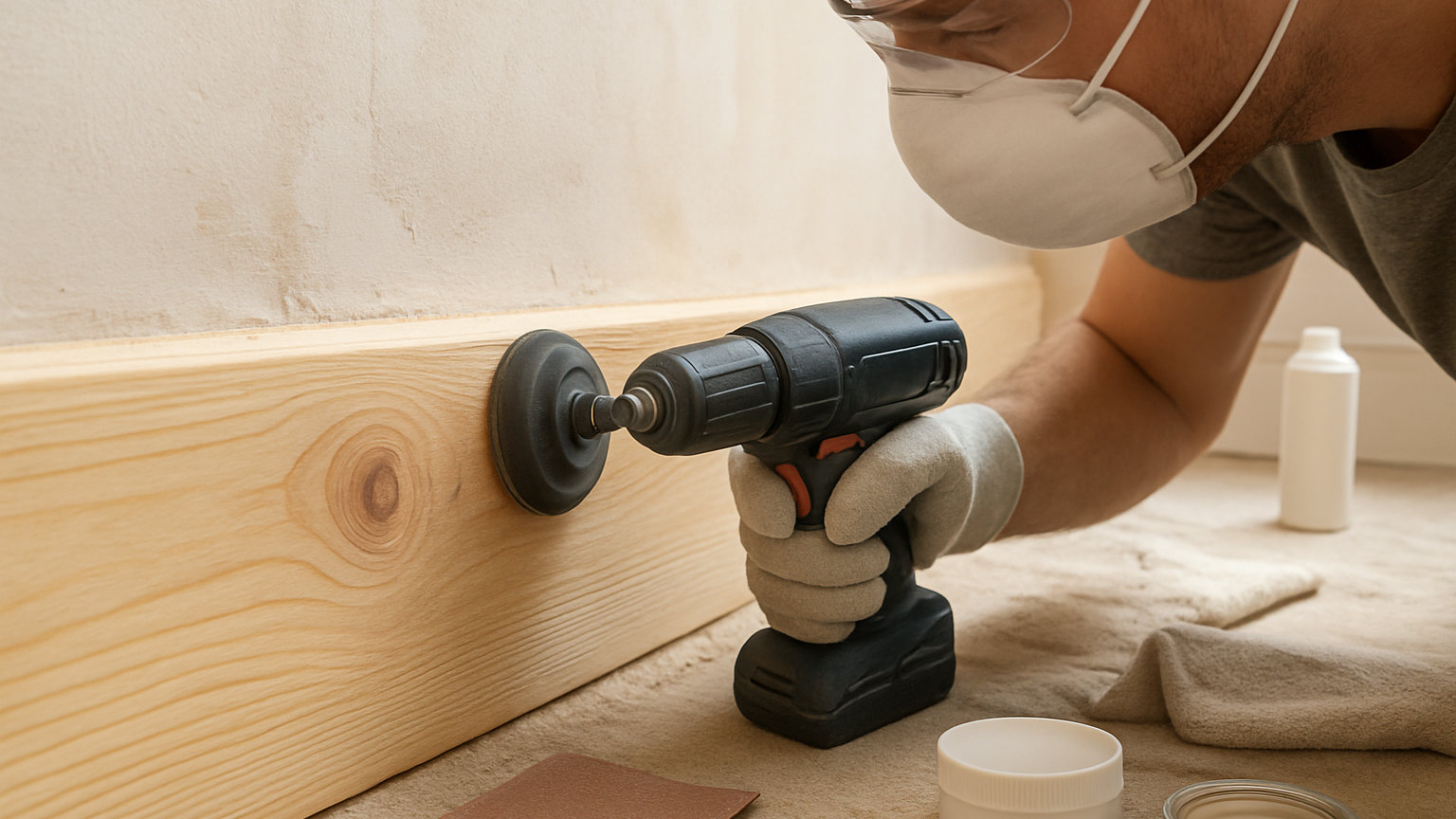
Knots bleed resin through paint for years unless they are sealed first. The full sequence from sanding to primer, and the products that actually work.
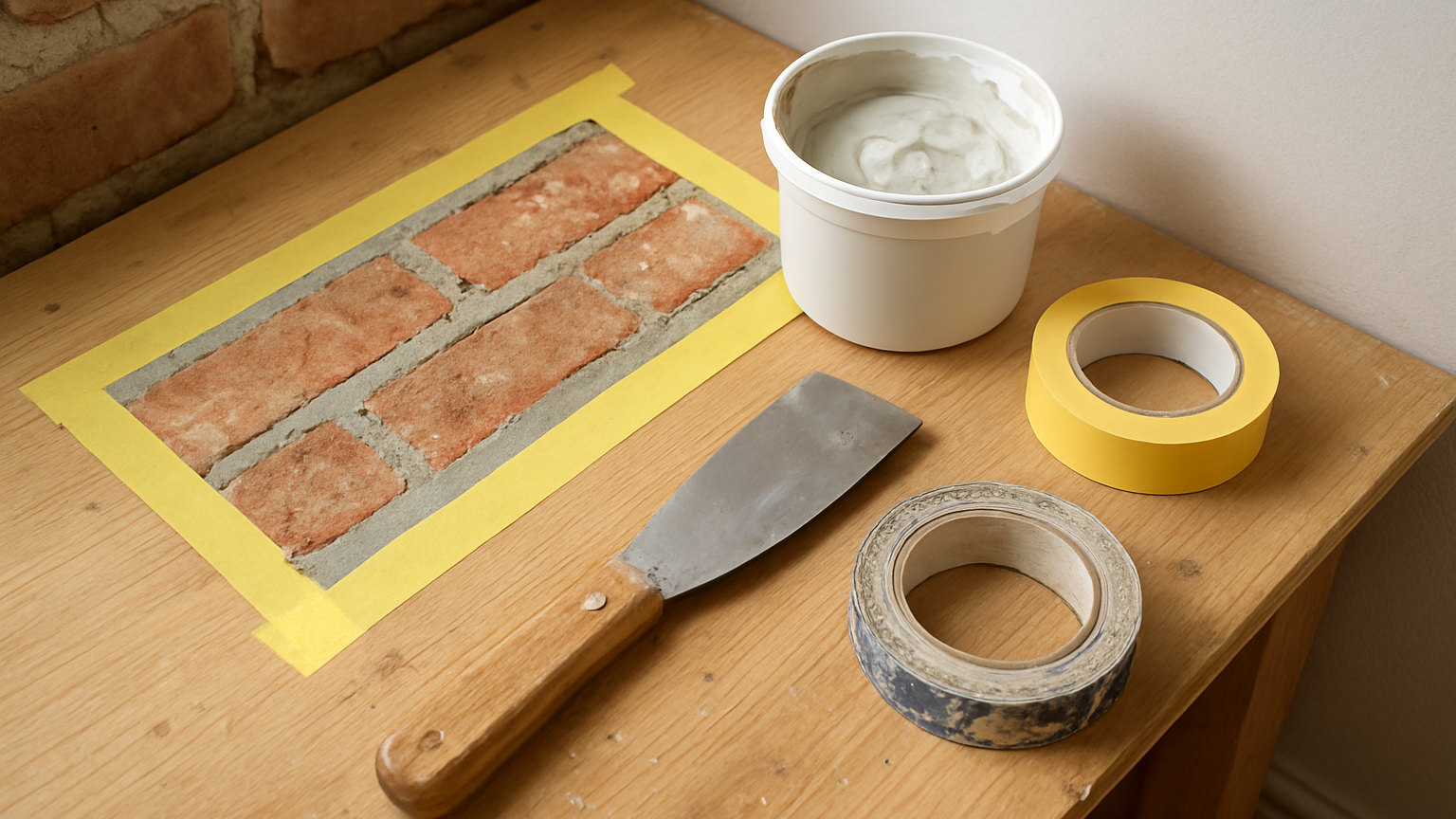
Which tape for which surface, how to seal the edge so paint cannot bleed, and when to pull it off. Masking badly is worse than not masking at all.
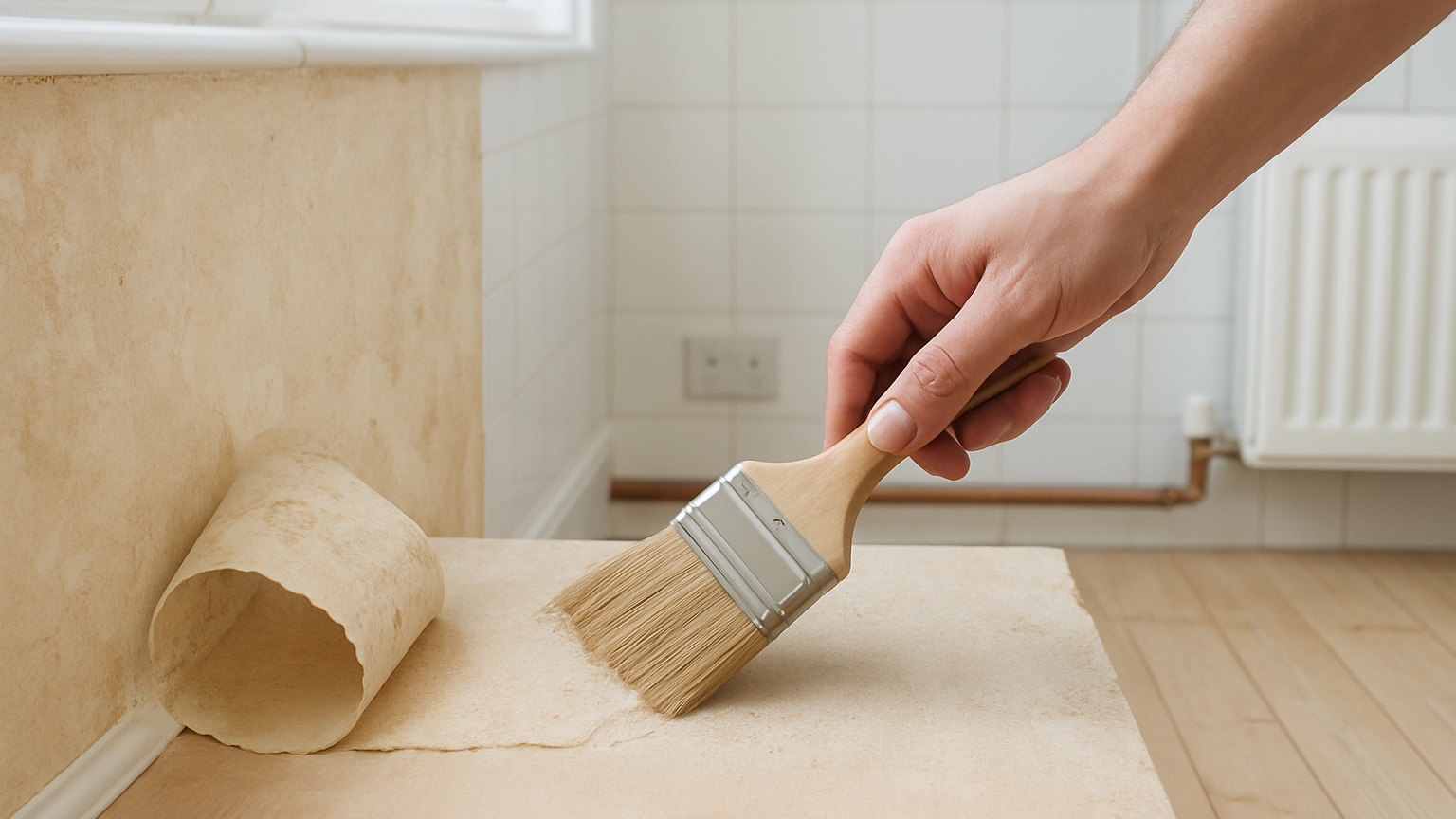
Score, soak, and scrape at the right angle. Using a steamer without damaging plasterboard, and dealing with paper that will not shift.
Paint will not stick to grease, nicotine or dust. Mixing sugar soap correctly, working bottom to top, and why rinsing matters as much as washing.
The single technique that makes decorating look professional. Cutting the nozzle, running a bead without stopping, and smoothing it in one pass.
New plaster drinks paint and full-strength emulsion peels off it. The dilution, the paint to use, and how to tell when the plaster is actually dry.
Rake the crack open, fill it proud, and sand it back flush. The fillers to use for each size of defect, and the technique that leaves no ridge.
Which grit for which job, how to avoid swirl marks, and how to keep the dust out of the rest of the house. The stage that decides the finish.